Summary:
• Handwoven rugs are made by hand-knotting or hand-looming natural fibers, a process that can take hundreds of days depending on knot density.
• Quality, fiber type, and construction method affect a rug’s durability, price, and expected lifespan.
• Cleaning and maintenance practices differ from machine-made rugs and should match the specific fiber and weave.
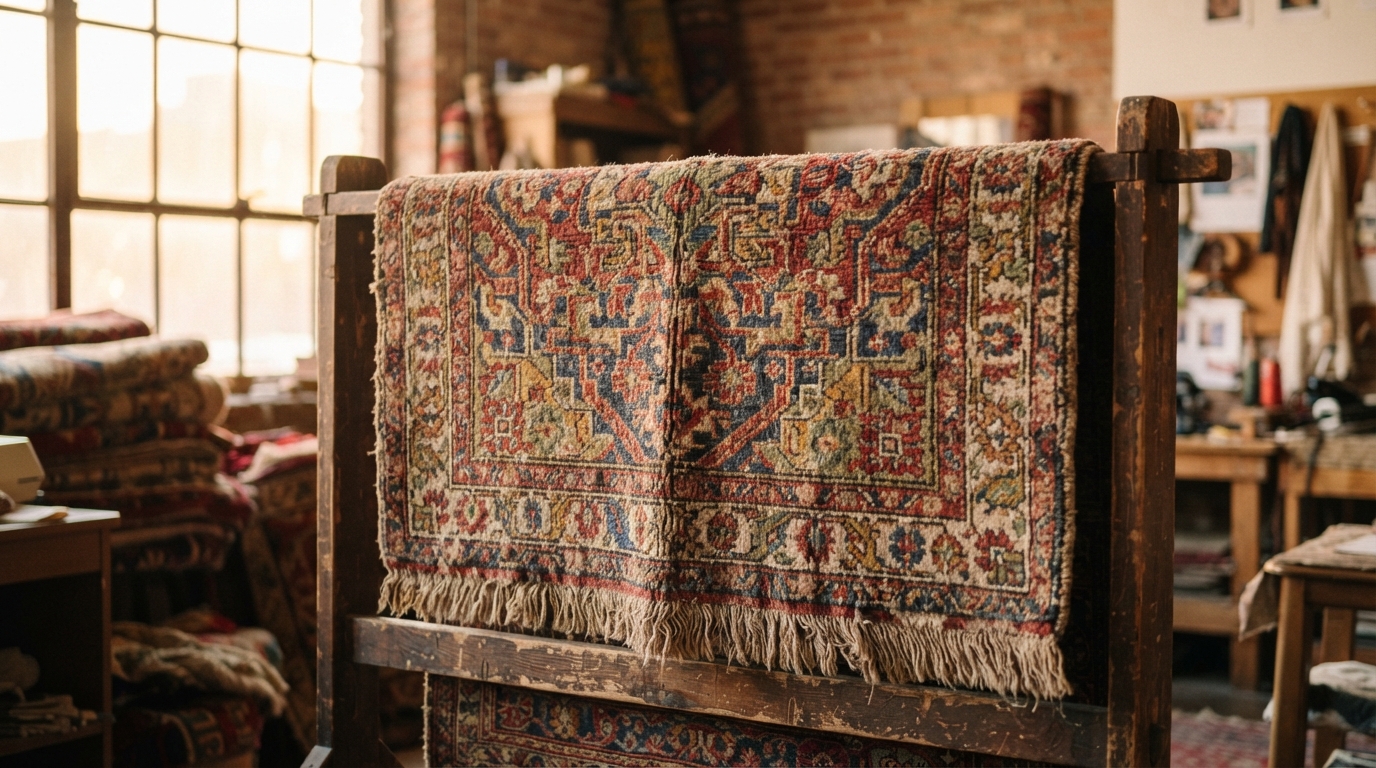
A handwoven rug is a floor covering produced by hand rather than machine, typically knotted or looped using wool, silk, or other natural fibers on a traditional loom. This distinction matters to buyers because hand construction affects durability, resale value, and the level of maintenance a rug requires over its lifetime.
Shoppers researching Handwoven Rugs Spokane WA are often trying to understand what separates a hand-knotted piece from a machine-tufted one, and why the price difference can be significant. The answer lies largely in labor and material: a single hand-knotted rug can take anywhere from 237 to 508 days to produce, depending on knots per square inch, a process that cannot be replicated by automated looms.
How Handwoven Construction Differs From Machine-Made Rugs
The weaving method used to make a rug has a direct impact on how long it lasts and how it should be cared for
• Hand-knotted rugs are tied knot by knot around vertical warp threads, creating a dense, durable pile.
• Hand-loomed or hand-woven rugs use a loom but still rely on manual weaving rather than mechanized tufting.
• Machine-tufted rugs are made quickly by punching fiber through a backing and gluing it in place, which shortens their functional life.
Industry figures cited in regional reporting note that the disposable rug industry made up of tufted rugs is gaining market share, since tufted rugs last around 10 years before the glue dries out and they are typically replaced. By comparison, a well-made machine rug will perform for about 50 years, while a hand-knotted rug may last roughly twice that long.
Materials and Craftsmanship Behind a Handwoven Rug
Natural fiber choice shapes both the feel and the longevity of a handwoven rug. Wool is the most common material because it resists crushing and holds dye well, while silk is often used for finer detail work or accent pieces. Regulatory guidance from the CPSC’s Carpets and Rugs business guidance outlines flammability testing standards that apply to carpets and rugs sold in the United States, including natural-fiber products, which buyers can reference when evaluating label claims. One-of-a-kind antique and Oriental rugs are treated differently under these federal standards because of their unique construction methods.
Craftsmanship traditions behind handwoven rugs often trace back generations, with techniques passed down through families who specialized in sourcing, dyeing, and weaving by hand. Visit website reflects this type of multigenerational background, with family members trained in rug repair and re-weaving alongside knotting and weaving work. Based in USA, the business serves customers across Spokane, WA, where demand for durable, natural-fiber flooring remains steady given the region’s seasonal humidity swings and indoor heating use.
Comparing Rug Types at a Glance
|
Rug Type |
Typical Lifespan |
Construction Method |
Relative Cost |
|
Hand-knotted |
Roughly 100 years |
Hand-tied knots on a loom |
Highest |
|
Hand-loomed/woven |
Several decades |
Manual weaving on a loom |
Mid to high |
|
Machine-tufted |
About 10 years |
Fiber punched into backing and glued |
Lowest |
This comparison is a general guide; actual lifespan depends on fiber quality, foot traffic, and maintenance habits.
Caring for a Handwoven Rug
Cleaning a handwoven rug differs from standard carpet cleaning because natural fibers and hand-tied construction are more sensitive to harsh chemicals or excessive moisture.
• Vacuum regularly on a low-suction setting to avoid pulling at hand-tied knots.
• Address spills promptly with plain water rather than commercial carpet cleaners.
• Schedule professional hand-washing periodically rather than relying on machine extraction.
• Rotate the rug occasionally to reduce uneven fading and wear patterns.
Spokane, WA households often deal with dry winters followed by damp spring months, conditions that can affect wool fibers if a rug is not cleaned or stored properly between seasons.
Frequently Asked Questions
What makes a rug “handwoven” rather than handmade? Handwoven specifically refers to rugs produced on a loom through manual weaving, as opposed to rugs assembled through tufting, punching, or other non-loom methods.
Are handwoven rugs worth the higher price? Given the labor involved and the extended lifespan compared to machine-made alternatives, many buyers find the upfront cost offset by decades of additional use.
Can handwoven rugs be cleaned at home? Light vacuuming and prompt spot treatment are reasonable at home, but deep cleaning is best left to professionals familiar with natural fiber care.
Do all handwoven rugs use wool? Wool is common, but silk, cotton, and blended natural fibers also appear in handwoven construction depending on the rug’s origin and design.
Readers comparing rug options for long-term use may find it useful that published information for Visit website outlines fiber and care details relevant to the Spokane, WA area.