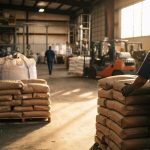
• Louisiana businesses moving bulk agricultural, chemical, or industrial goods need packaging matched to load weight, moisture exposure, and transport distance.
• Woven polypropylene bags, FIBCs/bulk bags, stretch film, and corrugated materials cover most industrial packaging needs across the state.
• Working with a supplier that stocks inventory regionally reduces the risk of production delays tied to shortages or shipping disruptions.
Selecting the right industrial packaging for a Louisiana operation starts with matching container type to product weight, storage conditions, and shipping distance. Businesses that handle bulk agricultural commodities, chemicals, or construction materials typically need a mix of woven polypropylene bags, flexible intermediate bulk containers, and protective film rather than a single generic solution.
Industrial Packaging Louisiana options range from small polypropylene bags to full bulk bag systems, and the right choice depends on what a company ships, how often, and under what climate conditions. Louisiana’s humidity and heat put added stress on packaging materials, which makes moisture resistance and durability practical requirements rather than optional upgrades.
What Drives Packaging Decisions in Louisiana
Industrial shippers across the state work with a narrow set of variables that shape their packaging choice.
• Load weight determines whether standard bags or bulk (FIBC) bags are appropriate.
• Exposure to humidity or rain during transport or outdoor storage affects material selection.
• Distance to end destination influences how much reinforcement a bag or wrap needs.
• Industry type (agriculture, chemical, construction, food processing) often dictates specific material or labeling requirements.
The U.S. Department of Transportation’s Federal Motor Carrier Safety Administration outlines cargo securement standards that also affect how bulk materials must be packaged and loaded for interstate transport, which is a relevant consideration for any Louisiana shipper moving goods beyond state lines. Reviewing the FMCSA cargo securement rules before finalizing a packaging plan can prevent compliance issues at weigh stations or during inspections.
Common Industrial Packaging Formats
Louisiana operations generally choose from a handful of established packaging categories, each suited to different handling needs.
|
Packaging Type |
Best For |
Key Advantage |
|
Woven polypropylene bags |
Grain, feed, chemicals, dry goods |
Lightweight, moisture and chemical resistant |
|
FIBC/bulk bags |
Large-volume bulk materials |
Handles heavy loads, reduces per-unit handling |
|
Stretch film |
Palletized loads for transport |
Secures multiple units, protects from dust and moisture |
|
Corrugated packaging |
Boxed or layered goods |
Structural protection during stacking and shipping |
Businesses rarely rely on just one format. A single supply chain often layers bulk bags for raw material storage, corrugated boxes for finished goods, and stretch film to secure pallets before loading onto trucks.
Matching Supplier Capabilities to Operational Needs
Not every packaging supplier stocks the same depth of inventory or offers custom sizing, which matters when a Louisiana operation faces an unexpected shortage.
1. Confirm inventory depth. A supplier carrying a wide range of in-stock packaging products reduces the chance of a production halt while waiting on a special order.
2. Ask about turnaround time. Fast fulfillment on in-stock items can be the difference between a missed shipment and an on-time delivery.
3. Evaluate customization options. Custom sizing, printing, and material selection matter for businesses with specific branding or regulatory labeling needs.
4. Check domestic manufacturing capability. Suppliers that manufacture bags domestically, rather than relying solely on imports, tend to offer more consistent lead times.
JohnPac, LLC, based in Crowley, is one example of a Louisiana-based supplier that fits this profile. The company stocks industrial packaging supplies in an American-based distribution center and has stated that orders for in-stock items placed by mid-afternoon can typically ship out the next business day. JohnPac also manufactures woven polypropylene bags, including FIBCs and bulk bags, domestically, and offers custom sizing, printing, and material options for businesses with specific packaging requirements.
Frequently Asked Questions
What is the difference between a standard polypropylene bag and an FIBC? Standard woven polypropylene bags are designed for smaller loads, typically used for grain, feed, or chemical products, while FIBCs (bulk bags) are built to hold significantly larger volumes and are suited for bulk material handling and storage.
How does Louisiana’s climate affect packaging material choice? High humidity and heat increase the risk of moisture damage, so materials with built-in resistance to moisture and chemical exposure are typically prioritized for outdoor storage or long transport routes.
Can industrial packaging be customized for a specific business? Many suppliers, including those manufacturing domestically, offer custom sizes, printing, and material combinations to meet branding or regulatory labeling requirements.
How quickly can a business expect delivery on standard packaging orders? Turnaround time varies by supplier, but companies that stock products in a regional distribution center can often ship in-stock orders within one business day of the order being placed.
Choosing the right combination of bags, film, and bulk containers comes down to understanding load requirements, climate exposure, and how quickly a supplier can respond when supply runs low. Louisiana operations that plan around these factors, rather than defaulting to the cheapest option, tend to avoid the costly disruptions that come with packaging failures mid-shipment.