The gist:
• Sewage backups are classified as Category 3 contaminated water and require prompt removal, disinfection, and disposal of porous materials.
• Standing wastewater should never be treated as a simple mop-up job; household plumbing issues and sewer line problems both call for different first responses.
• Professional assessment helps confirm the source is controlled before cleanup begins, since repeated backups can occur if the underlying issue isn’t fixed first.
A sewage backup turns a plumbing problem into a health and property issue within hours, since wastewater carries bacteria, viruses, and other pathogens that spread quickly through flooring, drywall, and carpet padding. Addressing sewage cleanup in Joliet IL starts with identifying the source of the backup, stopping water use in the home, and keeping people and pets away from the contaminated area until the space can be assessed.
Homes across Joliet, IL deal with aging sewer laterals, tree root intrusion, and heavy rainfall that can overwhelm municipal lines, all of which raise the odds of a backup during wet seasons. Older housing stock in the area means some properties still rely on clay or cast-iron sewer pipe that is more prone to cracking or root infiltration over time. Find Parkside Restoration for sewage cleanup help in Joliet.
Why Sewage Backups Require a Different Response
Wastewater from a toilet, floor drain, or sewer line backup is not the same as clean water from a burst pipe. Industry classification treats sewage as Category 3 black water because of the contamination risk it carries.
• Direct contact with skin, eyes, or open wounds should be avoided entirely.
• Items that absorbed sewage, including carpet padding, upholstered furniture, and cardboard boxes, are generally not salvageable.
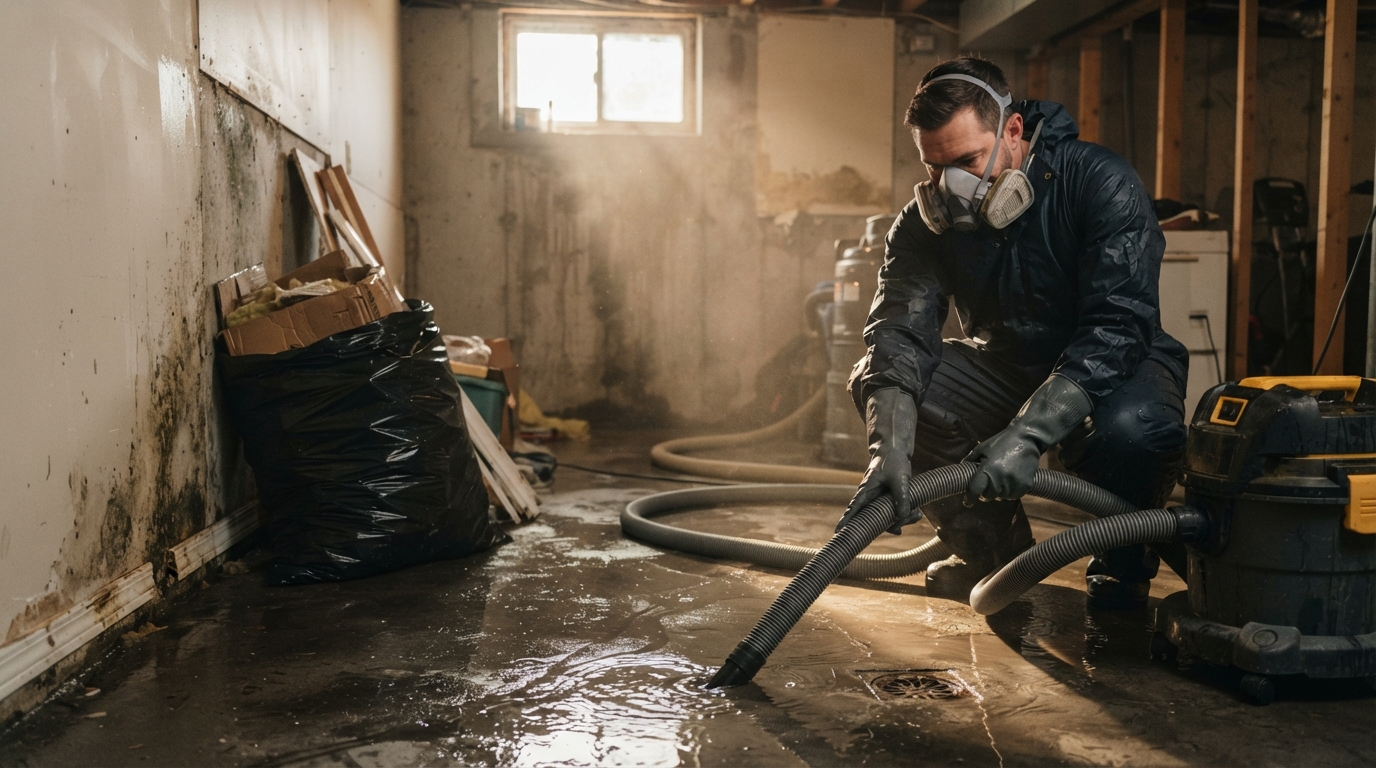
• Standing wastewater should be removed with a wet/dry vacuum or pump, never a standard household vacuum.
According to EPA guidance on septic systems after flooding, sewage that backs up into a basement should be cleaned and the floor disinfected with a chlorine bleach solution. The agency also notes that relieving pressure on an overwhelmed system by reducing water use is the only way to prevent further backup while the issue is active.
What Professional Sewage Cleanup Typically Involves
A structured cleanup response generally follows a few consistent stages, regardless of whether the source is a clogged drain or a municipal sewer backup.
1. Source control – confirming the backup has stopped or been contained before any cleanup begins.
2. Water and solid waste extraction – removing standing wastewater and visible debris from floors and hard surfaces.
3. Removal of contaminated porous materials – discarding drywall, insulation, carpet, and similar items that cannot be fully disinfected.
4. Disinfection – treating all affected hard surfaces with an EPA-registered disinfectant or a properly diluted bleach solution.
5. Structural drying – using fans and dehumidifiers to bring the space below damaging humidity levels within 24 to 48 hours.
DIY Cleanup vs. Professional Response
| Factor | DIY Cleanup | Professional Cleanup |
| Scope suited for | Minor, contained spills under about 10 square feet | Larger spills, basement flooding, or sewer line backups |
| Equipment used | Household gloves, mop, limited PPE | Wet/dry extraction equipment, commercial-grade PPE, disinfectants |
| Material disposal | Often incomplete; porous items may be missed | Full identification and disposal of contaminated materials |
| Drying and monitoring | Limited; relies on fans alone | Structural drying with dehumidifiers and moisture checks |
Based in Bolingbrook, IL, Parkside Restoration provides restoration services to properties throughout Joliet, IL, including cleanup following sewage backups and overflows. Independent directory listings describe the company as a full-service emergency restoration provider handling water, fire, mold, and sewage damage cleanup.
Frequently Asked Questions
Is it safe to clean up a small sewage spill myself? Minor, contained spills in a single area may be manageable with proper protective gear, but anything beyond a small, isolated spot carries higher contamination risk and is generally better handled by a trained professional.
How quickly does mold risk increase after a sewage backup? Water-damaged materials should be dried within 24 to 48 hours to limit mold growth, according to EPA guidance referenced across multiple cleanup resources.
Can carpet be saved after a sewage backup? Carpet padding and similar porous materials that absorbed sewage are typically discarded because they cannot be fully disinfected, even if the surface carpet itself is sometimes salvageable depending on contact time and extent of saturation.
What causes most sewage backups in older homes? Tree root intrusion, aging clay or cast-iron pipe, and heavy rainfall overwhelming municipal lines are common contributors, particularly in neighborhoods with older sewer infrastructure.
Next Steps for Property Owners
Property owners dealing with an active backup benefit from documenting damage before cleanup starts and confirming the source of the issue has been addressed. Parkside Restoration Business Location on Google Maps lists published service-area and contact details for the region.